


The Dirt on March
- Cara Beth Graebner
- May 5
- 3 min read

March is the month when Tennessee gardens truly begin to awaken. While winter may still linger in cooler regions of the state, soil temperatures begin to rise, daylight stretches longer, and gardeners can shift from planning to purposeful action. As always, adapt timing to your local frost-free date and soil conditions, since Tennessee’s growing seasons vary by region.
Below are research-based tasks drawn from the Tennessee Home Fruit and Vegetable Garden Calendar (W436) and UT Extension resources to help you make the most of March.
March Garden Checklist
Plant Fruit Trees and Small Fruits
March is the prime time to plant fruit trees and small fruit crops. When installing bare-root plants, take care to prevent roots from drying out before planting. Keep roots moist and shaded until they are in the ground, and water thoroughly after planting to settle soil around the root system.
If you are establishing strawberries, remove any winter straw protection before bloom to allow sunlight and airflow to reach developing plants. Proper early-season management sets the stage for a strong late-spring harvest.
Prepare for Fruit Season
Before buds fully break, assemble spray materials and ensure equipment is calibrated and ready for the growing season. Having materials prepared in advance helps you respond promptly to pest or disease pressures as conditions warm.
March is also a good time to review cultivar performance and confirm your fruit management plan aligns with recommended practices for Tennessee conditions.
Prepare Garden Soil
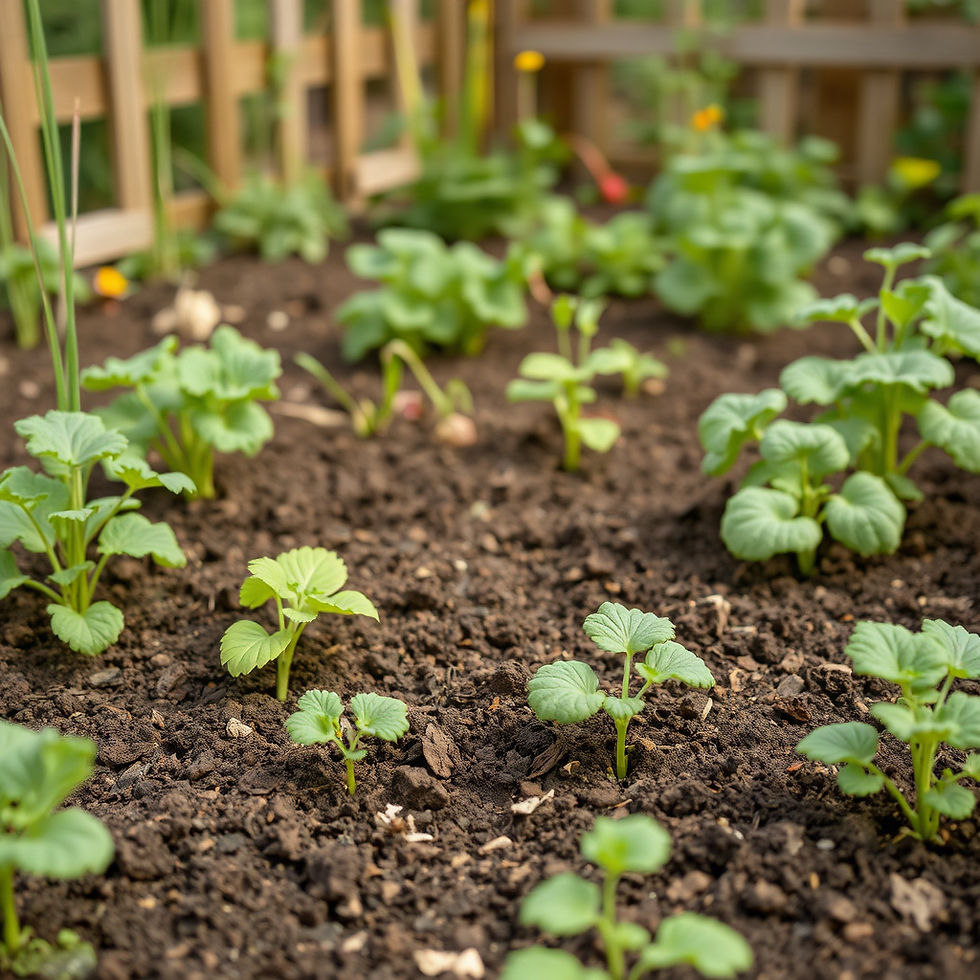
If soil conditions allow (avoid working overly wet soil), begin preparing garden beds.
If you are incorporating a winter cover crop, allow several weeks for residue to decompose before planting. This prevents nitrogen tie-up and supports healthy early growth. Raised beds can warm and drain more quickly in spring, offering an advantage for early planting.
A soil test can guide nutrient applications and pH adjustments before planting intensifies. Proper soil stewardship early in the season pays dividends all year.
Seed and Transplant Cool-Season Crops
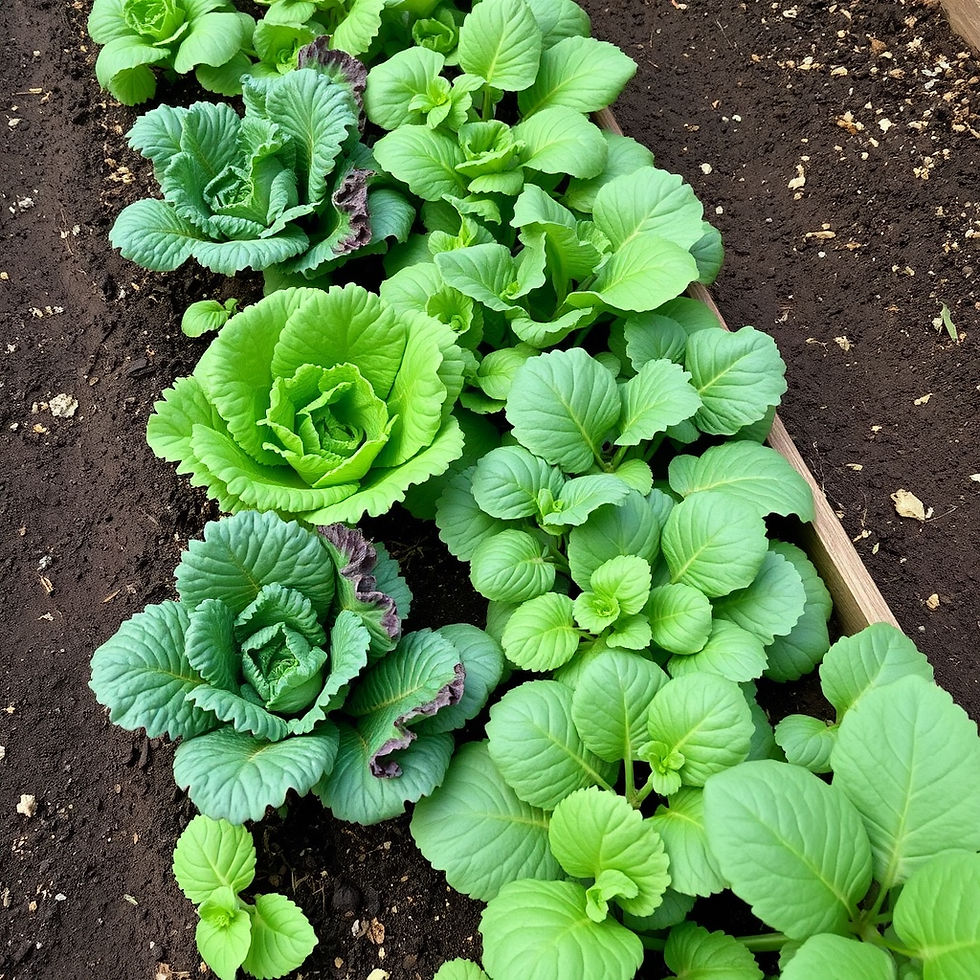
March is an active planting window for cool-season vegetables. Hardy crops are typically seeded or transplanted 4–6 weeks before the frost-free date, while less cold-hardy crops are planted closer to two weeks prior.
Monitor soil temperatures and local frost projections to fine-tune your planting dates. Direct seeding and transplanting both play valuable roles in extending the harvest window.
Finish Seeding Warm-Season Transplants
Seed the remainder of warm-season transplants this month. Tomatoes typically require 6–8 weeks from seeding to transplant size, meaning March sowing supports May planting dates.
Transplant Success Tips
UT Extension highlights several best practices for strong seedlings:
Use pathogen-free soilless media to reduce disease risk.
Maintain appropriate germination temperatures; warm-season crops struggle in cool soils.
Provide adequate light to prevent stretching and weak stems
Avoid overwatering and encourage airflow to minimize disease. Before moving transplants outdoors, be sure to harden them off gradually to reduce stress and transplant shock.
Season Extension Tools
March weather can be unpredictable. Installing row covers or low tunnels over early plantings helps increase both daytime and nighttime temperatures and protects tender growth.
Season extension strategies such as raised beds, mulches, floating row covers, and low tunnels can improve early growth and provide a valuable head start.
A Note on Climate Awareness
The frost dates listed in the UT calendar are conservative averages with only a 10% chance of frost beyond those dates. Even so, microclimates and year-to-year variation matter. Continue monitoring forecasts, particularly when planting early crops.
In Summary
March is a month of transition:
Plant fruit trees and small fruits.
Prepare soil thoughtfully and test when needed.
Seed and transplant cool-season vegetables.
Complete warm-season transplant seeding.
Protect young plants with season extension tools.
By combining timely planting with soil stewardship and careful transplant management, you build a strong foundation for the growing season ahead.
Useful Resources
If you would like, I can now format this in the same branded Garden Talk Word document style as the previous months, including a printable checklist section.


Comments