


The Dirt on February
- Cara Beth Graebner
- May 5
- 2 min read

February can feel like a tease—sunny one day, sleet the next—but it’s secretly one of the most productive months for setting up a strong spring. Think of it as “prep season” for fruit, transplants, and early beds… without the mosquitoes.
February Garden Checklist
Prune fruit while plants are dormant.
Late winter is prime time for dormant pruning on many fruit crops. Prune to improve structure and airflow, and remove any diseased wood as you go.
If you grow berries, February is also a great time to tidy them up:
Blueberries: renew fruiting wood by removing about 10–20% of older canes each year.
Caneberries (blackberries/raspberries): remove any remaining canes that fruited last season, then thin what’s left.
Use dormant oil on fruit (before growth starts).
Dormant horticultural oil sprays can help knock back scale and other overwintering pests on fruit and nut trees. Timing matters: apply before spring growth appears.
Start cool-season transplants indoors (for spring planting).
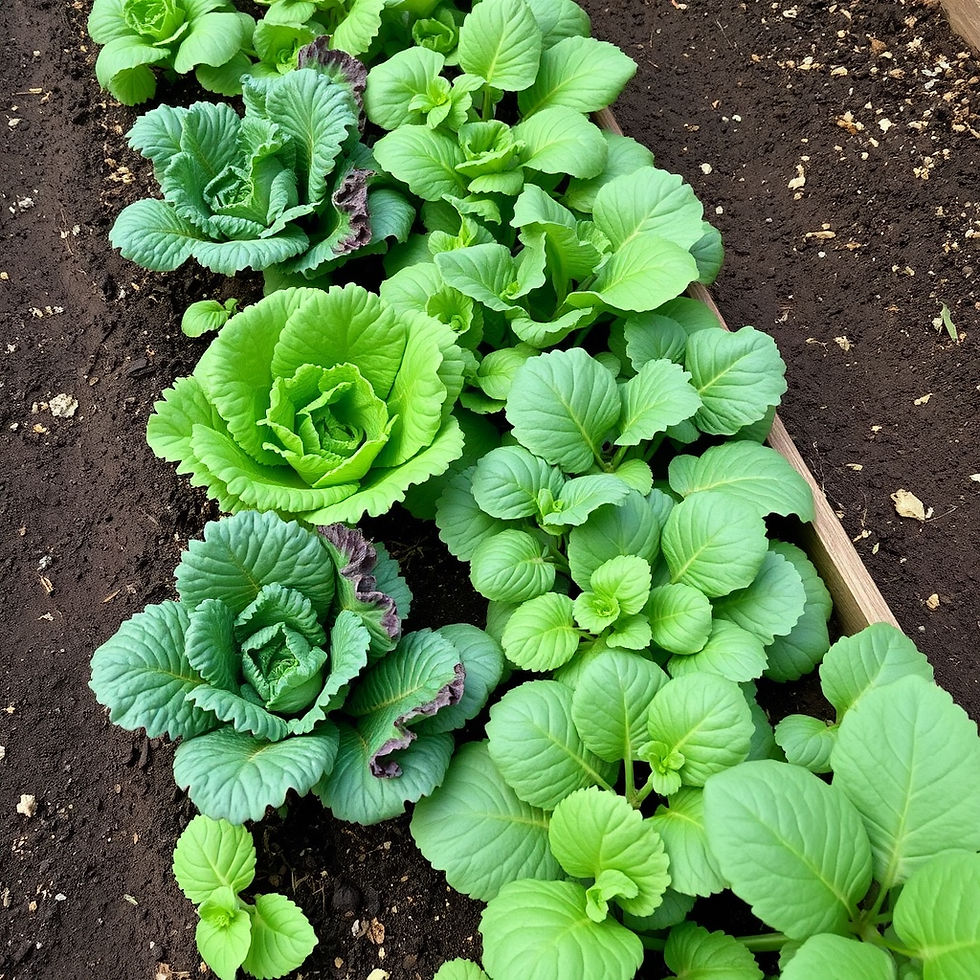
If you want spring broccoli/cabbage/cauliflower, February is often the moment to start seeds indoors. These crops typically require about 8 weeks from seeding to transplanting, so late March/early April planting dates require early February seeding.
Start the earliest warm-season seedlings (if you’re aiming for early May planting).
If you’re planning an early warm-season transplant window, February can be your first indoor sowing for those earliest starts. Then keep an eye on the basics: steady moisture (not soggy) and enough light so seedlings don’t get leggy.
Prep beds when the soil cooperates.
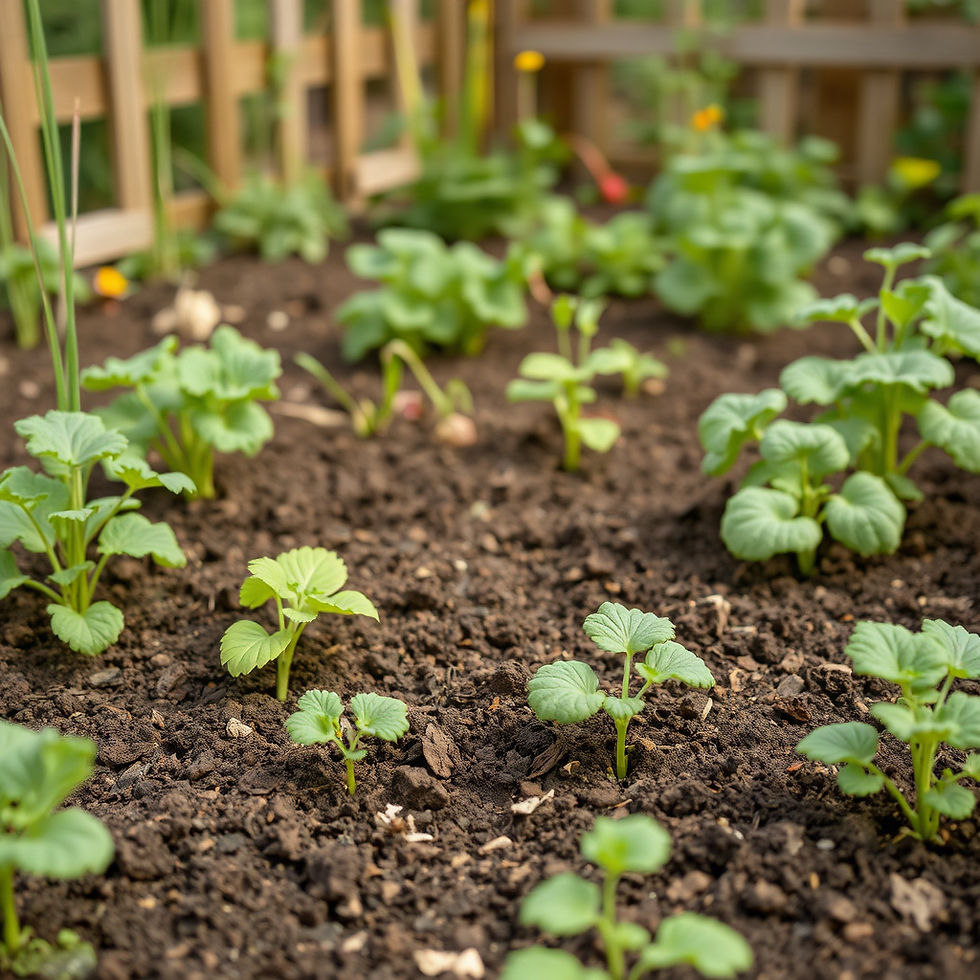
On workable days (not mud season!), you can prepare soil for early-seeded cool-season crops—especially in raised beds, which warm and drain faster. If you’re turning in cover crops, remember they need time to decompose before planting.
Direct-seed a few hardy cool crops (when conditions allow).
If the soil can be prepared, February can open the door to direct-seeding some cool-season favorites in parts of Tennessee (think peas and hardy greens). Watch your local conditions—your garden is the boss, not the calendar.
Pollinator Bonus
If you’re adding trees/shrubs this year, consider native options that support pollinators with nectar/pollen and even host foliage—examples include redbud, dogwood, pawpaw, spicebush, oak, and maple.
Useful Resources
Contact your local Extension office for location-specific timing and recommendations.


Comments