


The Dirt on January
- Cara Beth Graebner
- Apr 20
- 2 min read


January may be cold, damp, and a little… gray—but it’s secretly one of the best months to set up a winning gardening season. While the landscape is mostly resting, you can tackle the behind-the-scenes tasks that pay off big once spring shows up (usually when you’re not quite ready).
With help from UT and TSU Extension resources (plus a few other trusted southern Extension calendars), January is your moment to get organized, get ahead, and make a few strategic moves—like ordering the good stuff before it sells out and starting seedlings before everyone else suddenly remembers they’re “garden people.”
January Garden Checklist
Order seeds early—especially anything you want to start as transplants. If you wait until “later,” later turns into “sold out.” UT specifically calls out January as a time to order seeds and use UT trial results to guide your choices.
Test leftover seed viability before you trust it with your spring dreams. Before you devote trays, lights, and emotional energy to last year’s seed packet, run a quick germination test to see what’s still worth planting.
Gather (and sanitize) your seed-starting setup. January is a great time to prep clean containers and stock up on new or pathogen-free growing substrate—especially if you’ve battled damping-off or mystery seedling collapse before. UT flags January as the time to gather materials for producing transplants.
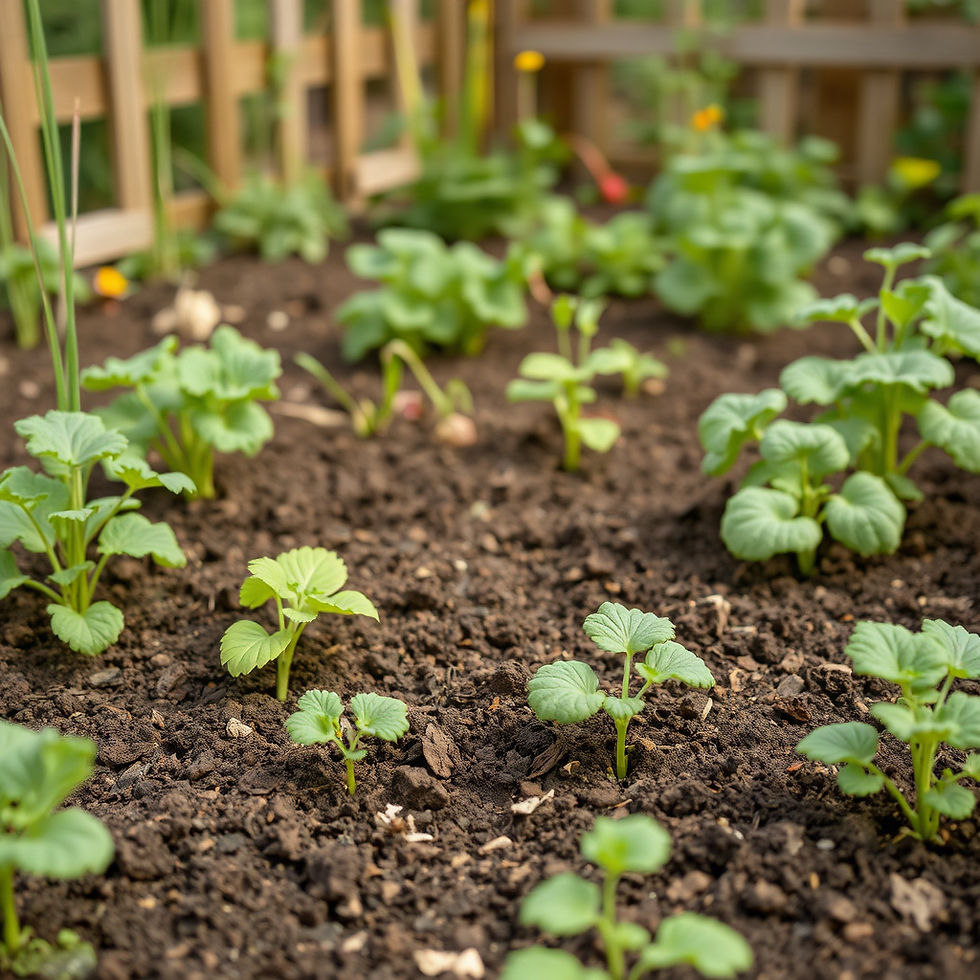
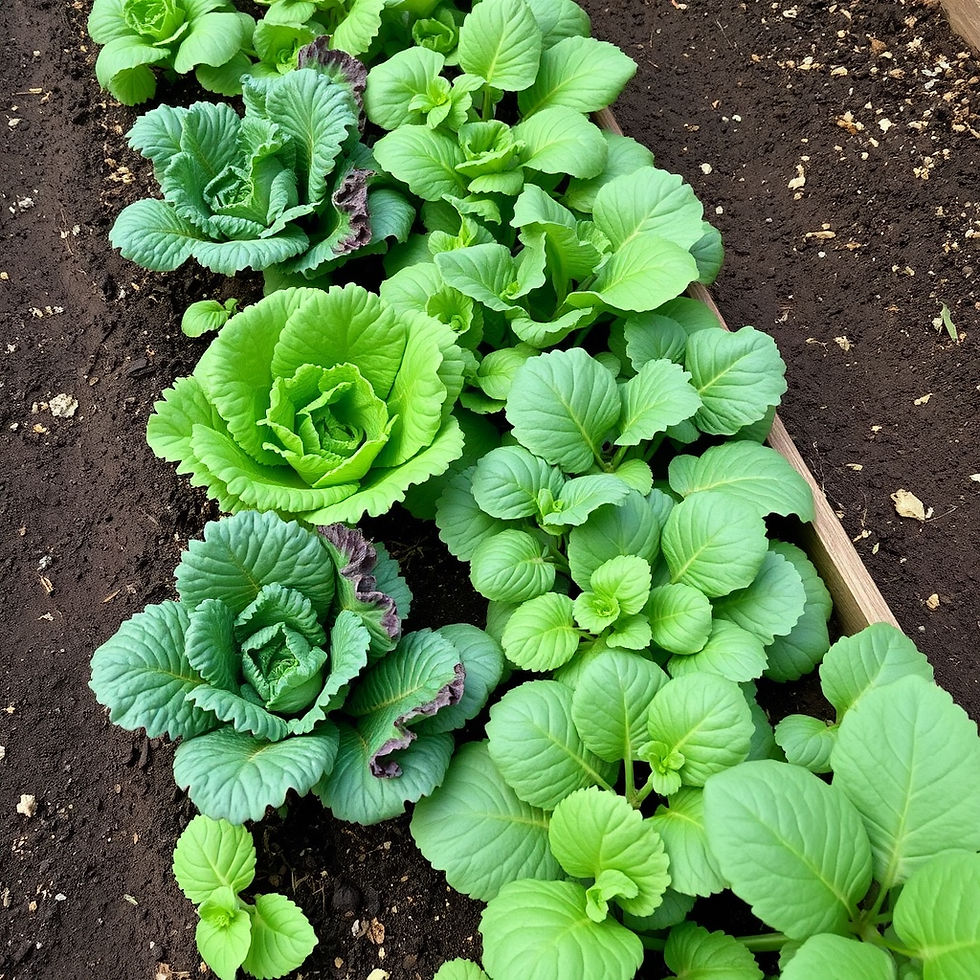
Start cool-season transplants—if your part of Tennessee needs a January head start. UT notes that in some areas of Tennessee, seeds for cool-season spring transplants need to be started in January. (Translation: check your timing, then get those trays going.)
Place orders for bare-root fruit plants (and choose varieties that fit your site). Bare-root season comes fast. UT lists January as the time to place orders for bare-root fruit crops once you’ve matched selections to your location and needs.
Soil test now, so amendments have time to do their job. Winter is a smart time to test soil—avoids the spring rush and gives lime time to react before planting season. (Your future tomatoes will thank you.)
Prune dormant trees—carefully, and at the right time for what you’re growing. Many calendars recommend pruning dormant trees during winter; just be mindful that spring-bloomers are the exception (prune those after flowering).
Check stored bulbs, roots, and tubers—and toss anything rotten. If you stored bulbs or tender summer-flowering “treasures,” give them a quick inspection now so one bad one doesn’t ruin the whole stash.
Helpful UT & TSU Extension Resources
For more research-based gardening information, explore these resources:
● UT Extension – Tennessee Home Fruit & Vegetable Garden Calendar
● UT Extension – The Tennessee Vegetable Garden: Garden Planning, Plant Preparation and Planting
● UT Extension – Getting the Most Out of Your Home Vegetable Garden Soil Test Report
● TSU Extension – Growing Vegetables in Minigardens and Containers
● University of Georgia Extension – January Garden Activities
● UT Extension – Grape Growing in Tennessee
Contact your local Extension office for location-specific timing and recommendation


Comments